By: Yekta Dowlati, PhD
Each new year brings a collective desire to “reset”—to cleanse, restore, and renew after the dietary excesses and stress of the holiday season. Yet, within the framework of functional medicine, detoxification is not a transient trend nor a restrictive cleanse—it is a complex, nutrient-dependent physiological process that sustains life itself. True detoxification is about nourishment, not deprivation, and it depends on supporting the body’s five primary organs of elimination—the liver, kidneys, gut, lungs, lymphatic system, and skin—each of which plays a synergistic role in processing and excreting metabolic waste and environmental toxins.1
A functional medicine reset aims to optimize these pathways by providing the nutrients, hydration, movement, and restorative conditions the body requires to carry out its innate detoxification processes efficiently and safely.1
Beyond Juice Cleanses: Why the Body Needs Nourishment, Not Restriction
Despite the popularity of “juice cleanses,” extreme fasting, or calorie-restrictive detoxes, such approaches may deprive the body of the very substrates needed for effective detoxification. Metabolic detoxification, particularly hepatic phase I and II pathways, demands a steady supply of macronutrients (amino acids, carbohydrates, and healthy fats) and micronutrients (vitamins, minerals, antioxidants, and electrolytes).1 Inadequate protein intake can impair conjugation reactions,2 while low dietary fat reduces bile flow and limits the elimination of fat-soluble compounds. Similarly, insufficient carbohydrates compromise energy generation for hepatic enzyme activity.3
Rather than depleting the body, a scientifically grounded reset program emphasizes nutrient sufficiency—adequate protein, fiber, antioxidants, vitamins, and minerals—to fuel the enzymatic machinery required for detoxification, repair, and elimination.
The Interconnected Network of Elimination Organs
Effective detoxification is a systems biology process, not a single-organ event. The organs of elimination operate in concert, forming an integrated network that processes, transforms, and excretes toxins through multiple routes.
The Liver: The Central Biochemical Hub
The liver orchestrates detoxification through its phase I (oxidation, reduction, hydrolysis) and phase II (conjugation) reactions.1 These processes convert lipophilic toxins into water-soluble metabolites for excretion.
- Phase I relies on cytochrome P450 enzymes and requires cofactors such as riboflavin (B2), niacin (B3), and flavonoids.1
- Phase II conjugation uses amino acids (glycine, taurine, cysteine, glutamine) and antioxidants such as glutathione to neutralize reactive intermediates.1
- Phase III transporters then facilitate bile or urinary elimination.4
Nutrients like N-acetylcysteine, alpha-lipoic acid, and sulforaphane (from cruciferous vegetables) activate the Nrf2–ARE pathway, upregulating endogenous antioxidant defenses, while green tea catechins and curcumin further enhance hepatic resilience.5
The Kidneys: Filtration and Fluid Balance
The kidneys filter approximately 150-200 quarts of fluid daily from renal blood flow, excreting metabolic waste while preserving essential electrolytes and nutrients.6 Optimal kidney function depends on hydration, electrolyte balance (sodium, potassium, magnesium), and adequate protein intake to maintain glomerular filtration rate (GFR).7,8
Botanical compounds such as dandelion root and parsley can support mild diuretic activity and renal perfusion, while antioxidants like quercetin and vitamin C mitigate oxidative stress in renal tissues.9-12
The Gastrointestinal Tract: The Final Pathway of Excretion
The gut represents both a route of elimination and a regulator of toxin reabsorption. Adequate fiber intake (soluble and insoluble) is essential to bind bile acids and excrete conjugated toxins, preventing enterohepatic recirculation.13
Amino acids such as glutamine maintain intestinal barrier integrity, reducing translocation of endotoxins and inflammatory mediators.14 Meanwhile, beneficial bacteria (e.g., Lactobacillus and Bifidobacterium species) modulate bile metabolism, short-chain fatty acid production, and mucosal immunity—all critical to balanced elimination.15,16
Probiotics, prebiotics, and polyphenol-rich foods such as pomegranate and green tea contribute to maintaining microbial diversity and GI motility.17
The Lungs: Exhalation of Volatile Compounds
The respiratory system contributes to toxin clearance through exhalation of carbon dioxide and volatile organic compounds.18 Deep, diaphragmatic breathing enhances oxygen delivery and promotes the removal of gaseous metabolites.18
Physical activity, particularly aerobic exercise, increases pulmonary ventilation and supports the elimination of lipid peroxidation byproducts. In addition, dietary antioxidants—vitamin C, vitamin E, carotenoids, and polyphenols—help mitigate oxidative stress within alveolar tissues exposed to environmental pollutants.19
The Skin: A Peripheral Detox Organ
As the body’s largest organ, the skin supports detoxification through perspiration. Sweat glands excrete trace amounts of heavy metals, urea, and lipid-soluble compounds. Regular physical activity, sauna therapy, and even moderate sweating through warm baths or exercise enhance cutaneous elimination.20,21
Nutrients such as zinc, vitamin A, vitamin C, and collagen-supportive amino acids (proline, glycine) maintain barrier integrity and aid tissue repair.22 Hydration and omega-3 fatty acids further support skin resilience and anti-inflammatory balance.22
The Lymphatic System: The Body’s Transport and Drainage Network
The lymphatic system collects interstitial fluid, immune cells, and waste products, channeling them toward venous circulation for eventual excretion.23 Unlike the cardiovascular system, lymph flow depends on movement, deep breathing, and muscular contraction rather than a central pump.
Regular physical activity, stretching, and even manual lymphatic drainage stimulate flow, preventing stagnation and supporting immune surveillance.24 Adequate hydration, electrolyte balance, and plant polyphenols further enhance lymphatic circulation.
Fueling Detoxification: The Role of Macronutrients and Micronutrients
Because metabolic detoxification is ATP-dependent, ensuring adequate macronutrient intake is crucial:25 dietary protein supplies the amino acids required for conjugation substrates (e.g., glycine, cysteine, glutamine) and supports ongoing tissue repair;26 healthy fats, particularly omega-3 fatty acids, help maintain cell membrane fluidity and promote efficient bile flow—a key route for toxin elimination;27 and complex carbohydrates provide the steady glucose needed to fuel hepatic energy metabolism.1
Micronutrients function as indispensable cofactors throughout detoxification pathways.28 B vitamins (B2, B3, B6, B12, and folate) drive the enzymatic activity of both phase I oxidation and phase II conjugation reactions, while minerals such as magnesium, zinc, selenium, and molybdenum enable optimal detox enzyme function.29 Antioxidants including vitamins C and E, carotenoids, and polyphenols neutralize reactive intermediates generated during phase I metabolism, helping prevent oxidative damage.1 Finally, electrolytes—sodium, potassium, and magnesium—support cellular hydration, mitochondrial function, and proper nerve-muscle signaling during periods of increased metabolic demand. Together, these nutrients create the biochemical foundation that allows the body’s detoxification systems to operate efficiently and safely.1
Hydration, Movement, Sleep, and Breathwork: Physiological Catalysts for Elimination
Beyond nutrition, several lifestyle factors profoundly influence detoxification capacity.1,28 Hydration is fundamental for renal filtration, lymphatic circulation, mucosal function, and sweat production. Insufficient water intake directly reduces the body’s ability to eliminate toxins through urine, stool, and perspiration.20,21
Movement acts as a physiological catalyst. Aerobic exercise enhances circulation and oxygenation, stimulates pulmonary elimination, increases sweating, and facilitates lymphatic flow—helping mobilize toxins from tissues toward routes of excretion.30 Even low-intensity activity like walking or yoga markedly enhances lymphatic movement and venous return.
Sleep is equally essential. During deep, non-REM sleep, the glymphatic system clears metabolic waste from the brain, including amyloid and other neurotoxic byproducts.31 Melatonin acts as a powerful antioxidant and helps regulate circadian patterns of hepatic detoxification.32 Chronic sleep disruption impairs these processes, leading to toxin accumulation and systemic oxidative stress.
Breathwork and intentional diaphragmatic breathing further enhance detoxification by increasing lung ventilation, stimulating lymphatic flow, and modulating parasympathetic activity, which influences GI motility and hepatic blood flow.18
Daily Nutritional and Behavioral Patterns that Promote Elimination
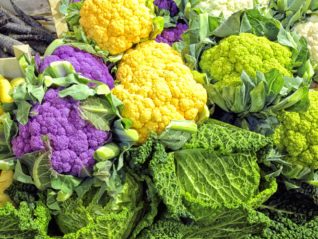
Nutrition plays a central role in supporting detoxification pathways by supplying substrates for biotransformation, binding toxins in the gut, and reducing oxidative stress. Fiber-rich foods—such as flax, chia, legumes, oats, and vegetables—enhance stool bulk, bind xenobiotics, and promote regular elimination.33 Cruciferous vegetables including broccoli, kale, cauliflower, and Brussels sprouts provide glucosinolates and sulforaphane, which activate Nrf2 and upregulate phase II detoxification enzymes.34 Allium vegetables (garlic, onions, leeks) supply organosulfur compounds that further support hepatic conjugation reactions.35 A diverse and plant-forward diet also nourishes gut microbial populations, which produce short-chain fatty acids that strengthen the intestinal barrier and regulate enterohepatic circulation, further influencing the body’s elimination efficiency.
Integrating Science and Lifestyle in a Functional Medicine Reset
A true functional medicine reset integrates nutritional sufficiency, evidence-based supplementation, and restorative lifestyle practices. Programs such as those incorporating metabolic detox formulations are designed to provide:
- Balanced macronutrients to fuel detox energy demands
- Complete micronutrient cofactors for enzymatic pathways
- Phytonutrients and antioxidants to modulate Nrf2 and reduce oxidative stress
- Fiber and probiotics to optimize gut elimination
Together, these interventions work synergistically to reestablish physiological balance, reduce toxic load, and restore metabolic efficiency.
Conclusion: A Science-Driven Pathway to Renewal
A functional medicine reset is not a temporary cleanse—it is a scientifically guided recalibration of the body’s natural detoxification and elimination systems. By providing comprehensive nourishment—rather than deprivation—the body’s organs of elimination can perform optimally. Supporting nutrient sufficiency, hydration, movement, and restorative sleep transforms detoxification into a process of renewal, empowering patients to enter the new year with resilience, clarity, and vitality.
References
- Cline JC. Altern Ther Health Med. 2015;21(3):54-62.
- Wu G. Food Funct. 2016;7(3):1251-1265.
- Browning JD et al. Hepatology. 2008;48(5):1487-1496.
- Xu C et al. Arch Pharm Res. 2005;28(3):249-268.
- Hodges RE et al. J Nutr Metab. 2015;2015:
- Ogobuiro I et al. In:StatPearls [Internet].
- Bouby N et al. Obes Facts. 2014;7(Suppl 2):19-32.
- Mazzaferro S et al. J Clin Med. 2021;10(5):958.
- Acretei MVT et al. Int J Mol Sci. 2025;26(2):450.
- Alobaidi S. Front Med. 2024;11:1494740.
- Ajibade TO et al. Biol Trace Elem Res. 2017;175(2):347-359.
- Pisoschi AM et al. Eur J Med Chem. 2021;209:112891.
- Opperman C et al. Food Res Int. 2025;206:115843.
- Wang B et al. Amino Acids. 2015;47(10):2143-2154.
- Fusco W et al. Nutrients. 2023;15(9):2211.
- Shah AB et al. Gut Microbes. 2024;16(1):2431643.
- Plamada D et al. Nutrients. 2021;14(1):137.
- Haddad M et al. In:StatPearls [Internet]. 2023.
- Frei B. J Nutr. 2004;134(11):3196S-3198S.
- Sears ME et al. J Environ Public Health. 2012;2012:184745.
- Kuan WH et al. Int J Environ Res Public Health. 2022;19(7):4323.
- Michalak M et al. Nutrients. 2021;13(1):203.
- Mehrara BJ et al. J Clin Invest. 2023;133(17):e171582.
- Mortimer PS et al. Lymphatic Res Biol. 2024;22(2):112–119.
- Panda C et al. Nutrients. 2023;15(9):2209.
- Corsetti G et al. Nutrients. 2024;16(15):2417.
- Fuentes NR et al. Mol Aspects Med. 2018;64:79-91.
- Hodges RE et al. J Nutr Metab. 2015;2015:760689.
- Adamus JP et al. Biomolecules. 2024;14(7):869.
- Zhang M et al. Chronic Obstr Pulm Dis. Doi:10.15326
- Reddy OC et al. Brain Sci. 2020;10(11):868.
- Chrustek A et al. Acta Pharm. 2020;71(3):225-354.
- Veronese N et al. Clin Nutr. 2025;51:325-333.
- Manchali S et al. J Funct Food. 2012;4(1):94-106.
- Miekus N et al. Molecules. 2020;25(17):3804.
Yekta Dowlati, PhD, serves as the Medical Education Manager at Metagenics. Dr. Dowlati earned her PhD in Medical Sciences from the University of Toronto, along with her MSc in Pharmacology. Her academic credentials also include a BSc in nutrition. She furthered her expertise with a postdoctoral fellowship in Neuropsychopharmacology at the Centre for Addiction and Mental Health in Toronto. Dr. Dowlati’s research portfolio includes multiple clinical trials, and she has contributed to the scientific community through her authorship and co-authorship of articles in prestigious journals, alongside presenting her work at numerous national and international conferences. Before her tenure at Metagenics, she excelled as a senior medical writer and led medical writing teams, demonstrating her passion for learning and education to improve public health. Beyond her professional commitments, Dr. Dowlati cherishes family time, indulging in travel, fitness, and cooking, which speaks to her balanced approach to life.