

Host: Deanna Minich, PhD Guest: Erik Lundquist, MD In this discussion, Erik Lundquist, MD and Deanna Minich, PhD explore thyroid physiology, assessment, and clinical pearls for treating patients with thyroid dysfunction or disorders. The crux of the discussion is treating the individual patient, not the labs. You will learn valuable insights and effective clinical strategies that Dr. Lundquist utilizes every day in his clinic to provide personalized support to patients with thyroid disorders. Dr. Lundquist shares that in his medical school…
Host: Deanna Minich, PhD Guest: Erik Lundquist, MD In this discussion, Erik Lundquist, MD and Deanna Minich, PhD explore thyroid physiology, assessment, and clinical pearls for treating patients with thyroid dysfunction or disorders. The…


Host: Deanna Minich, PhD Guest: Kara Fitzgerald, ND In this discussion, Kara Fitzgerald, ND and Deanna Minich, PhD explore the active process of inflammation resolution and how to provide clinical support to quench inflammation chronicity in your patients. Dr. Fitzgerald thinks of inflammation broadly, as a complex immune response to a variety of inputs. The offensive input could be a pathogenic insult like a bacterial or viral infection, and the inflammatory response is acute and protective to the patient. But when…
Host: Deanna Minich, PhD Guest: Kara Fitzgerald, ND In this discussion, Kara Fitzgerald, ND and Deanna Minich, PhD explore the active process of inflammation resolution and how to provide clinical support to quench inflammation…


by Bianca Garilli, ND, IFMCP Too much inflammation can be a bad thing When the topic of chronic disease comes up, the term inflammation is sure to be close behind. In fact, inflammation has received a fairly bad rap in the past years as research has underscored its prominent role in the promotion and perpetuation of many aspects of physiological dysfunction. Although not the root cause per se, inflammation has been shown to “add fuel to the fire” of a…
by Bianca Garilli, ND, IFMCP Too much inflammation can be a bad thing When the topic of chronic disease comes up, the term inflammation is sure to be close behind. In fact, inflammation…


by Lewis Chang, PhD and Annalouise O’Connor, PhD, RD High-density lipoprotein (HDL) is best known for its ability to carry cholesterol from the blood to the liver for elimination. HDL also facilitates other cardioprotective effects in the body through anti-inflammatory, anti-oxidative, and antithrombotic actions.1,2 However, for HDL to have these benefits, it needs to be functional. Loss of HDL function, or worse, gain of HDL dysfunction can negatively impact cardiometabolic health.3 In addition to cholesterol, HDL can accumulate other molecules,…
by Lewis Chang, PhD and Annalouise O’Connor, PhD, RD High-density lipoprotein (HDL) is best known for its ability to carry cholesterol from the blood to the liver for elimination. HDL also facilitates other…


The Nutrition Masters Course on Inflammation and Targeted Nutrition begins by exploring the cellular mechanisms for the distinct stages of inflammation initiation and resolution. Consequences of chronic inflammation are highlighted in this presentation. Evidence is provided for select nutritional bioactives that can modulate inflammation initiation, including palmitoylethanolamide (PEA), omega-3s EPA and DHA, curcumin, xanthohumol, Boswellia serrata, ginger, and tetrahydro-iso-alpha acids (THIAA). The science behind specialized pro-resolving mediators (SPMs) and their critical role in inflammation resolution is examined, along with emerging…
The Nutrition Masters Course on Inflammation and Targeted Nutrition begins by exploring the cellular mechanisms for the distinct stages of inflammation initiation and resolution. Consequences of chronic inflammation are highlighted in this presentation.…


Eicosapentaenoic acid (EPA) and docosahexaenoic acid (DHA) are long-chain polyunsaturated omega-3 fatty acids derived from marine sources, such as oily fish and fish oil or algal products. EPA and DHA act in the body via cell membrane incorporation, specific cellular receptors, and the generation of critical down-stream lipid mediators such as eicosanoids and specialized pro-resolving mediators (SPMs). The EPA & DHA Research Review covers the sources, recommendations, functions, and various areas of clinical support for EPA and DHA, including cardiovascular,…
Eicosapentaenoic acid (EPA) and docosahexaenoic acid (DHA) are long-chain polyunsaturated omega-3 fatty acids derived from marine sources, such as oily fish and fish oil or algal products. EPA and DHA act in the…


Christopher Bump, DC covers real world experiences supplementing with Specialized Pro-Resolving Mediators and reviews typical everyday patients he has treated with SPMs and the positive results each individual has experienced from insomnia to periodontal pain. View the slides
Christopher Bump, DC covers real world experiences supplementing with Specialized Pro-Resolving Mediators and reviews typical everyday patients he has treated with SPMs and the positive results each individual has experienced from insomnia to…

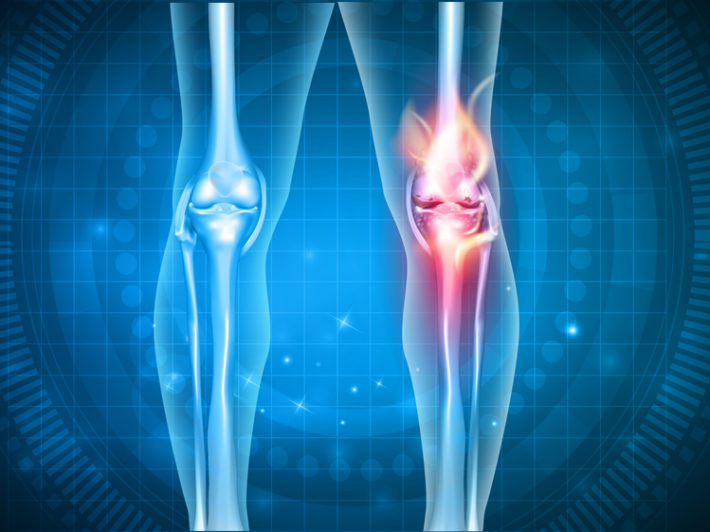
In this presentation “Novel Clinical Insights on Inflammation: Resolving not Blocking,” Andrew Heyman, MD, MHSA shares clinical experiences and observations related to health conditions associated with increased inflammatory biomarkers. Dr. Heyman explores the role of specialized pro-resolving mediators (SPMs) in the clinical management of chronic inflammatory conditions, such as chronic pain and fibromyalgia, focusing on evidence from a multi-center case series investigation. Dr. Heyman concludes with insights on novel clinical targets for resolvins in neuroinflammation, in addition to providing a…
In this presentation “Novel Clinical Insights on Inflammation: Resolving not Blocking,” Andrew Heyman, MD, MHSA shares clinical experiences and observations related to health conditions associated with increased inflammatory biomarkers. Dr. Heyman explores the…


In this webinar Jennifer Stagg, ND presents an overview of the use of SPMs in clinical practice. Her research shows that the use of SPMs bring about an effective resolution response to chronic and acute inflammation. Dr Stagg presents the causes of most inflammation in both young and old and the symptoms that are associated with its disease pathogenesis. Recorded at the AANP Pre-Conference in Salt Lake City, Utah at the 2016 American Association of Naturopathic Physicians Annual Convention & Exhibition. View the…
In this webinar Jennifer Stagg, ND presents an overview of the use of SPMs in clinical practice. Her research shows that the use of SPMs bring about an effective resolution response to chronic…


Chronic inflammation is linked to many chronic diseases. The innate inflammatory response is comprised of two distinct, active phases: initiation and resolution. The resolution phase is coordinated by specialized pro-resolving mediators (SPMs). In this slide deck, you will learn about the history of SPM discovery, lipid mediator biosynthesis pathways, and hallmark activities of SPMs in inflammation resolution. Areas where lipid mediator synthesis dysregulation exist are highlighted, and emerging areas of clinical pro-resolution research evidence are explored. View the slides
Chronic inflammation is linked to many chronic diseases. The innate inflammatory response is comprised of two distinct, active phases: initiation and resolution. The resolution phase is coordinated by specialized pro-resolving mediators (SPMs). In…

Metagenics Institute is a trusted, peer-to-peer, evidence-based educational resource for nutrition and personalized medicine.
At Metagenics Institute, we translate credible research with scientific integrity into innovative and actionable clinical
decision-making. Metagenics Institute supports a diverse practitioner base to optimize patient outcomes by shifting existing paradigms in healthcare. Our mission is to transform healthcare by inspiring and educating practitioners, and their patients, about personalized lifestyle medicine.





