

The microbial community in each of our bodies influences our physiology, metabolism and immune function, playing roles in both health and disease. This community of bacteria helps its human host digest food, synthesize certain vitamins, and protect against pathogenic bacteria. Recognizing the benefits of “good” microbes begs the question, what does the microbial population look like in a healthy person? And how does the population differ in a person with metabolic or digestive disease? This monograph reviews the role of…
The microbial community in each of our bodies influences our physiology, metabolism and immune function, playing roles in both health and disease. This community of bacteria helps its human host digest food, synthesize…
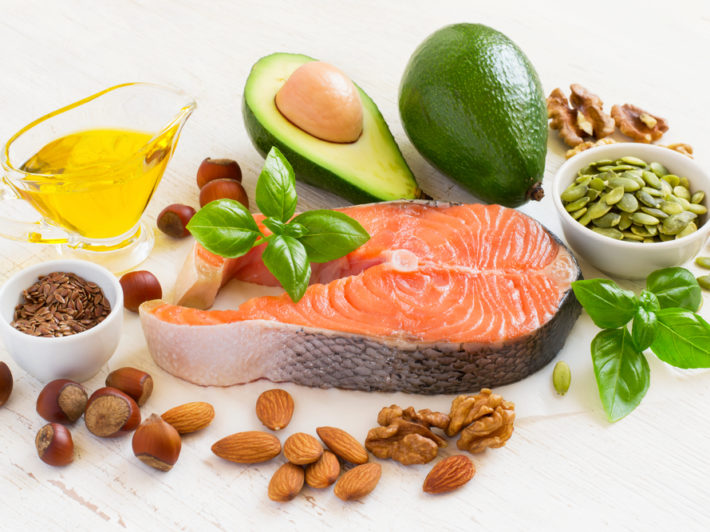
by Lewis Chang, PhD Many nutrition studies utilizing a low fat diet for weight and health management have not consistently demonstrated reductions in cardiovascular events or mortality. In contrast, higher fat diets have netted improved body composition, diet adherence, and satisfying food preferences. However, it is still unknown whether there is an optimal diet composition of fat content for health benefits. A balanced high fat diet (BHFD) is a diet with 50/30/20 ratio of fat/carbohydrate/protein in which the fat component…
by Lewis Chang, PhD Many nutrition studies utilizing a low fat diet for weight and health management have not consistently demonstrated reductions in cardiovascular events or mortality. In contrast, higher fat diets have…


by Nilima Desai, MPH, RD In today’s fast-paced world it seems like most people are under some type of stress. In fact, the World Health Organization’s Global Burden of Disease Survey reports by the year 2020, stress-related conditions will be the second leading cause of disability.1 Stress is defined as, “a physical, chemical, or emotional factor that causes bodily or mental tension and may be a factor in disease causation”.2 It’s important to remember that not all stress is bad,…
by Nilima Desai, MPH, RD In today’s fast-paced world it seems like most people are under some type of stress. In fact, the World Health Organization’s Global Burden of Disease Survey reports by…
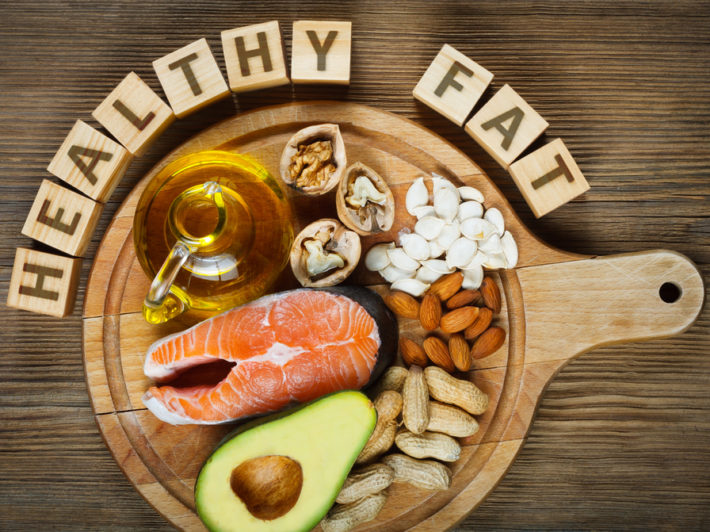
In this webinar, Dr. Osama Hamdy, the medical director of the obesity program at the Joslin Diabetes Center, discusses, “Dietary Fat: Should We Change Recommendations.” He begins with basic information on dietary fats. There are three types of lipids: free fatty acids, compound lipids (phospholipids, sterols/cholesterol). When we discuss fatty acids, we mean a chain of carbon atoms, one end called the alpha end, and one called the omega end. It is from that structure that we get the names of polyunsaturated…
In this webinar, Dr. Osama Hamdy, the medical director of the obesity program at the Joslin Diabetes Center, discusses, “Dietary Fat: Should We Change Recommendations.” He begins with basic information on dietary fats. There are…


In the United States more than 30 million people, approximately 10 percent of the population, have type-2 diabetes (T2D).1 Additionally, one in three adults in the US have prediabetes- that translates into over 84 million adults with hyperglycemia and an increased risk for frank diabetes. Diabetes is associated with other serious health concerns including high blood pressure, cardiovascular disease and obesity.1 A recent cross-sectional analysis examined the impacts of glucose metabolism status (i.e. normal, prediabetes and T2D) on cognitive function and…
In the United States more than 30 million people, approximately 10 percent of the population, have type-2 diabetes (T2D).1 Additionally, one in three adults in the US have prediabetes- that translates into over 84…


by Lewis Chang, PhD It has been suggested that oxidative stress contributes to the pathogenesis of Parkinson’s disease (PD), an age-related neurodegenerative disorder of the central nervous system affecting movement. As antioxidants may offset oxidative stress and damage to neurons, scientists have been interested in whether antioxidant consumption would reduce the risk of PD. Researchers from Karolinska Institutet (Stockholm, Sweden) and University of Southern California (Los Angeles, CA) set out to investigate the association between antioxidant intake and PD risk…
by Lewis Chang, PhD It has been suggested that oxidative stress contributes to the pathogenesis of Parkinson’s disease (PD), an age-related neurodegenerative disorder of the central nervous system affecting movement. As antioxidants may…


by Ashley Jordan Ferira, PhD, RDN Turkey finds its way on the menu for most carnivores during the holiday season, but is also commonly consumed by many Americans throughout the year. This poultry meat has gained popularity for being a good source of tryptophan,1 an essential amino acid required for protein biosynthesis. Interestingly, most poultry and other meats are good sources of tryptophan; additionally, legumes, especially soybeans and seeds (e.g. pumpkin seeds), also contain tryptophan.1 Tryptophan is the biochemical precursor to melatonin, a…
by Ashley Jordan Ferira, PhD, RDN Turkey finds its way on the menu for most carnivores during the holiday season, but is also commonly consumed by many Americans throughout the year. This poultry…


by Ashley Jordan Ferira, PhD, RDN Heart disease is the #1, equal opportunity, killer in the US.1 Suboptimal diet quality, including low nut consumption, is also a leading cause of death.1 Observational and interventional studies have demonstrated that chocolate and almonds, separately, yield cardiometabolic benefits. Numerous nutritional bioactives exist in these foods, but the key players are thought to be unsaturated fats in almonds and flavanols in dark chocolate. A recent study by Lee et al. explored the individual and combined effects of dark chocolate,…
by Ashley Jordan Ferira, PhD, RDN Heart disease is the #1, equal opportunity, killer in the US.1 Suboptimal diet quality, including low nut consumption, is also a leading cause of death.1 Observational and interventional studies…

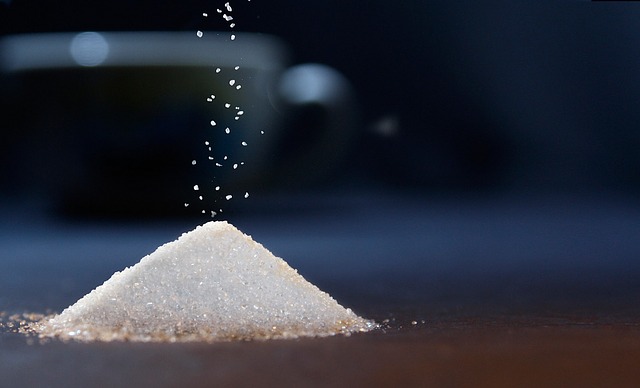
by Ashley Jordan Ferira, PhD, RDN Nonnutritive sweeteners were designed to limit caloric intake and assist in weight and blood glucose management,1 but recent findings linked nonnutritive sweetener use to higher adiposity and cardiometabolic risk.2 Nonnutritive sweeteners (NNS) including aspartame, sucralose and stevioside are zero- or low-calorie sugar substitutes commonly consumed in the US.3 Approximately 25% of children and 41% of adults consume low-calorie sweeteners, with increased consumption in adults with higher body weight.3 Although beverages are the top source of NNS, many foods contain these ingredients too. The…
by Ashley Jordan Ferira, PhD, RDN Nonnutritive sweeteners were designed to limit caloric intake and assist in weight and blood glucose management,1 but recent findings linked nonnutritive sweetener use to higher adiposity and cardiometabolic risk.2…


by Ashley Jordan Ferira, PhD, RDN An analysis of the Nurses’ Health Study II (NHS2) cohort revealed that women with a history of hypertensive disorders of pregnancy (HDP) who are also overweight or obese have a significantly increased risk of developing chronic hypertension (HTN) later in life.1 HDP includes pre-eclampsia and gestational HTN: obstetric complications increasing risk of maternal mortality.2 In the US, pre-eclampsia and gestational HTN affect 3% and 5-10% of pregnancies, respectively.2 Furthermore, HDP increases risk for chronic HTN. Conservative figures estimate that…
by Ashley Jordan Ferira, PhD, RDN An analysis of the Nurses’ Health Study II (NHS2) cohort revealed that women with a history of hypertensive disorders of pregnancy (HDP) who are also overweight or obese…

Metagenics Institute is a trusted, peer-to-peer, evidence-based educational resource for nutrition and personalized medicine.
At Metagenics Institute, we translate credible research with scientific integrity into innovative and actionable clinical
decision-making. Metagenics Institute supports a diverse practitioner base to optimize patient outcomes by shifting existing paradigms in healthcare. Our mission is to transform healthcare by inspiring and educating practitioners, and their patients, about personalized lifestyle medicine.