

This video series is from conversations with Charles Serhan, PhD, DSc, during the recent 15th International Conference on Bioactive Lipids in Cancer, Inflammation and Related Diseases held Oct. 22-24, 2017 in Puerto Vallarta, Mexico. In this quick video, Dr. Serhan discusses ongoing research centers that are conducting research to assess SPMs efficacy in a variety of health conditions, as well as revealing additional human tissues where SPMs have been found. Charles Serhan, PhD, DSc is Director of the Center for…
This video series is from conversations with Charles Serhan, PhD, DSc, during the recent 15th International Conference on Bioactive Lipids in Cancer, Inflammation and Related Diseases held Oct. 22-24, 2017 in Puerto Vallarta,…


Coronary artery disease (CAD) is the most common form of heart disease and is a leading cause of death in the US among both men and women. CAD develops when plaque forms in the coronary arteries, limiting and blocking blood flow. Another cause of CAD, in addition to arterial plaques, is arterial inflammation. A study by Tarec K. Elajami and colleagues found resolution of inflammation in the body may also lead to clot remodeling and reduce the incidence of CAD and coronary events in at risk…
Coronary artery disease (CAD) is the most common form of heart disease and is a leading cause of death in the US among both men and women. CAD develops when plaque forms in the coronary arteries, limiting…


This review of the evidence that the failure of resolution programs contributes to metabolic diseases and that SPMs may play pivotal roles in their resolution found that supplementing the diet with SPMs can, indeed, reduce the chronic low-grade inflammation that can be harmful. Patients with a variety of inflammatory conditions can benefit from SPMs and improved inflammation resolution. Acute inflammation is healthy for the body, but when inflammation becomes chronic, is can damage tissues and be detrimental to health. The…
This review of the evidence that the failure of resolution programs contributes to metabolic diseases and that SPMs may play pivotal roles in their resolution found that supplementing the diet with SPMs can,…


Acute inflammation is essential to health—and, so too, is its resolution. Pathologists divide acute inflammation into 2 parts: Initiation Resolution When microbes invade the body by barrier break, tissue injury or trauma, they set into motion a cascade of events. The first part of this cascade is the initiation phase, also known as the acute inflammatory response, and as Dr. Serhan notes, “is actually protective of the host organism” because it signals the need for the second part or resolution phase of the…
Acute inflammation is essential to health—and, so too, is its resolution. Pathologists divide acute inflammation into 2 parts: Initiation Resolution When microbes invade the body by barrier break, tissue injury or trauma, they…


Introducing a Novel Nutritional Therapy & Pathway for Addressing Resolution of Inflammation 1. Novel Solution and Pathway to Support Inflammatory Responses New Clinical Benefits to Resolve Inflammation Fills a Gap in Managing Inflammatory Responses 2. Independent yet Complementary Solutions to Managing Inflammatory Conditions Not Blocking, inhibiting or suppressing inflammation Resolves’ inflammation to avoid prolongation to chronic health conditions 3. Proprietary Nutritional Solutions Specialized Pro-resolving Mediators Standardized Level of Activity 4. Clinical Uses with Superior Improvement in Ability to Resolve Inflammation Activates effective resolution response…
Introducing a Novel Nutritional Therapy & Pathway for Addressing Resolution of Inflammation 1. Novel Solution and Pathway to Support Inflammatory Responses New Clinical Benefits to Resolve Inflammation Fills a Gap in Managing Inflammatory Responses…

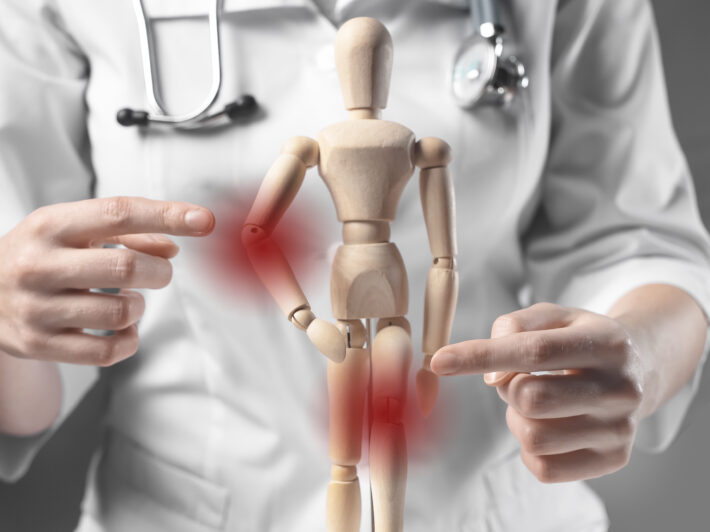
By: Yekta Dowlati, PhD Pain is not merely a symptom; it is the consequence of disrupted immune resolution, tissue stress, metabolic dysfunction, and maladaptive neuroplasticity. The historical emphasis on symptom suppression through analgesics and anti-inflammatory drugs has overlooked the body’s own endogenous mechanisms for controlling inflammation and restoring homeostasis. As a result, conventional therapies often provide only temporary relief, while doing little to address the biological underpinnings of chronic pain. Emerging research in resolution biology, enzymatic signaling, and phytochemical immunomodulation…
By: Yekta Dowlati, PhD Pain is not merely a symptom; it is the consequence of disrupted immune resolution, tissue stress, metabolic dysfunction, and maladaptive neuroplasticity. The historical emphasis on symptom suppression through analgesics…
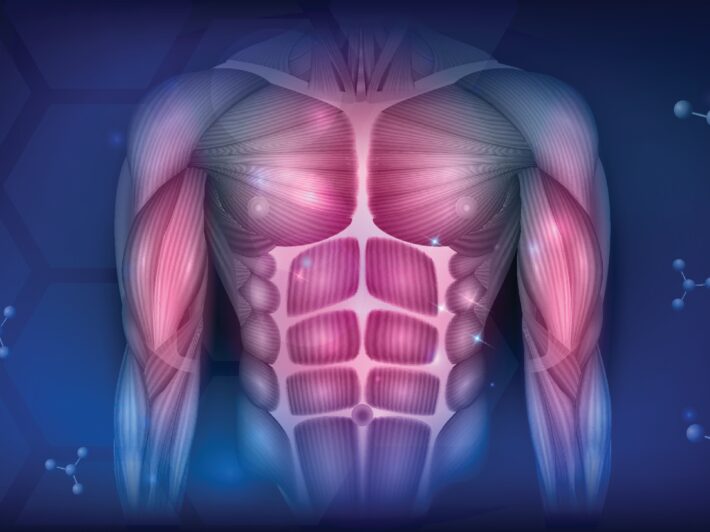
By: Yekta Dowlati, PhD The therapeutic landscape for obesity and type 2 diabetes mellitus (T2DM) has been revolutionized by glucagon-like peptide-1 receptor agonists (GLP-1 RAs), with weight reductions approaching magnitudes once exclusive to bariatric surgery. Yet, alongside dramatic fat mass loss, emerging data underscore a concerning reality: a substantial fraction of weight shed on GLP-1 RAs is lean mass — up to 40% in some trials.1,2 As muscle quantity and quality are integral to metabolic resilience, physical function, and…
By: Yekta Dowlati, PhD The therapeutic landscape for obesity and type 2 diabetes mellitus (T2DM) has been revolutionized by glucagon-like peptide-1 receptor agonists (GLP-1 RAs), with weight reductions approaching magnitudes once exclusive…
In this interview, Janos Filep, MD, PhD, discusses the role of aspirin-triggered resolvins and lipoxins in infection control, especially in sepsis. Dr. Filep is exploring how these molecules can restore immune function in patients with compromised phagocytosis. He also investigates the interaction between IFN-β and these mediators in clearing lung infections and outlines the challenges in developing therapies based on aspirin-triggered SPMs for infectious diseases. Janos Filep, MD, PhD, is a Professor of Pathology and Cell Biology at the University…
In this interview, Janos Filep, MD, PhD, discusses the role of aspirin-triggered resolvins and lipoxins in infection control, especially in sepsis. Dr. Filep is exploring how these molecules can restore immune function in…
In this interview, Gabrielle Fredman, PhD delves into the role of SPMs, particularly resolvin D2, in the resolution of chronic inflammation in cardiovascular conditions such as atherosclerosis. She discusses how RvD2 facilitates the resolution of inflammation and the reduction of plaque formation, focusing on how it corrects imbalances in lipid mediators that fuel atherosclerosis. Looking ahead, Dr. Fredman's research will concentrate on understanding the mechanisms that may become dysregulated with aging, and how Resolvins could contribute to organ protection as…
In this interview, Gabrielle Fredman, PhD delves into the role of SPMs, particularly resolvin D2, in the resolution of chronic inflammation in cardiovascular conditions such as atherosclerosis. She discusses how RvD2 facilitates the…


In this interview, Thomas Van Dyke, DDS, PhD talks about the current role of nutraceuticals in managing inflammation associated with periodontal disease. He elaborates on the use of Omega-3s derivatives such as specialized pro-resolving mediators (SPMs) as an adjunctive therapy in periodontal disease. Additionally, Dr. Van Dyke explains the connection between periodontal infections and increased risk of cardiovascular incidents, emphasizing the advantages of controlling inflammation. He concludes by discussing his ongoing research on using lipoxins and resolvins for the treatment…
In this interview, Thomas Van Dyke, DDS, PhD talks about the current role of nutraceuticals in managing inflammation associated with periodontal disease. He elaborates on the use of Omega-3s derivatives such as specialized…

Metagenics Institute is a trusted, peer-to-peer, evidence-based educational resource for nutrition and personalized medicine.
At Metagenics Institute, we translate credible research with scientific integrity into innovative and actionable clinical
decision-making. Metagenics Institute supports a diverse practitioner base to optimize patient outcomes by shifting existing paradigms in healthcare. Our mission is to transform healthcare by inspiring and educating practitioners, and their patients, about personalized lifestyle medicine.





